

As of 2026, fractional real estate has evolved from a niche alternative into a $4 trillion global market projected by 2035. This growth is driven by Small and Medium REITs (SM REITs) and blockchain-based Tokenization, which allow individuals to own “shares” of premium properties for as little as $100 to $1,000. With global investment turnover forecast to exceed $1 trillion this year, fractional models provide a critical hedge against inflation, offering stable rental yields (typically 8–12%) and capital appreciation without the management headaches of traditional landlording.
1. What is Fractional Real Estate Investing?
In 2026, the barrier to entry for prime real estate has vanished. Fractional investing is the process where a high-value property—such as a Silicon Valley office or a Dubai luxury villa—is split into smaller, affordable units.
The Legal Framework: The SPV Model
Most reputable platforms in 2026 use a Special Purpose Vehicle (SPV).
A legal entity (the SPV) is created specifically to hold one property.
Investors buy shares in that SPV.
The SPV holds the title, and investors hold a proportional right to the rent and final sale proceeds.
Fractional vs. Traditional Real Estate
| Feature | Traditional Ownership | Fractional Investing (2026) |
| Minimum Capital | High ($100k – $1M+) | Low ($100 – $10,000) |
| Management | Active (Tenants, Repairs) | Passive (Professional Manager) |
| Liquidity | Low (Takes months to sell) | Moderate (Secondary market trades) |
| Diversification | Single Property Risk | Spread across multiple assets |
2. Learn the Steps: How to Start Your Global Portfolio
Starting in 2026 is faster and more digital than ever. Follow these steps to secure your first “slice” of property.
Step 1: Select Your Platform and Jurisdiction
Choose a platform based on your geographic goals.
USA: Platforms like Arrived or Fundrise focus on residential and industrial.
Europe: GetStake and Binaryx offer high-yield holiday rentals and urban offices.
India: Look for platforms aligned with the new SM REIT (Small & Medium REIT) rules, which provide SEBI-backed transparency.
Step 2: Complete the 2026 “Digital KYC”
Global anti-money laundering laws are strict. You will need to verify your identity using AI-powered biometrics. This usually takes less than 5 minutes on a smartphone.
Step 3: Analyze the “Asset Scorecard”
In 2026, don’t just look at the price. Check the AI-generated Property Health Score, which includes:
Occupancy Rate History: How often has the building been empty?
Tenant Quality: Is it a “Grade-A” corporate tenant with a 10-year lease?
Sustainability Rating: Does the building meet 2026 “Green Building” standards? (Critical for future-proofing value).
Step 4: Execute the Smart Contract or Purchase
Once you pick a property, you transfer funds (via bank or digital wallet). In tokenized models, you receive a digital token representing your share. In traditional fractional models, you receive a share certificate from the SPV.
3. Tokenization vs. Traditional Fractions: The 2026 Choice
A major crossroad for investors in 2026 is whether to go “On-Chain” or “Off-Chain.”
Tokenized Real Estate (Blockchain)
Speed: Transactions settle in minutes.
Global Access: Buy a piece of a London flat from your phone in India or Brazil.
Self-Custody: You hold the “key” to your investment in a digital wallet.
Traditional Share-Based Fractions
Legal Familiarity: Uses established corporate law (LLCs or Private Limited Companies).
Tax Ease: Integrates easily with traditional tax reporting software.
Bank Integration: Easier to use as collateral for traditional bank loans.
4. Key 2026 Trends Shaping the Market
The Rise of Data Centers
With the AI boom, data centers are the highest-performing asset class in 2026. Fractional platforms are now offering “Compute Real Estate,” where you own a piece of the building housing the world’s LLM servers.
ESG and “Green” Premiums
Buildings with high energy efficiency now command 15% higher rents. Fractional investors are increasingly filtering for properties with low carbon footprints to ensure long-term liquidity as global climate regulations tighten.
AI-Driven Predictive Yields
Modern platforms use AI to predict rental growth with 94% accuracy. These tools scan local traffic patterns, nearby business openings, and even social media sentiment to tell you which neighborhood will “pop” next.
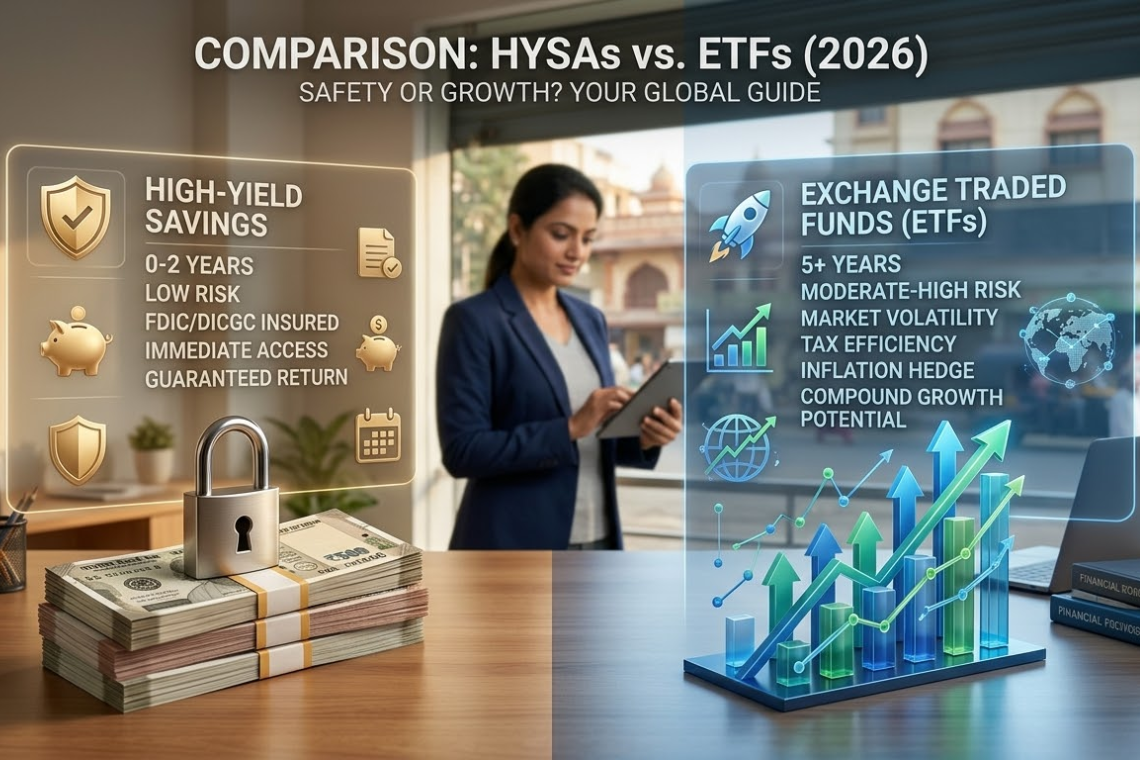
Investor Strategy: Real estate is a long-game. To ensure you have the liquid cash needed to pounce on new property drops, see our 2026 Guide to High-Yield Savings vs. ETFs.
5. Risks and Safeguards in 2026
No investment is without risk. For fractional real estate, the primary 2026 concerns are:
Platform Risk: If the platform managing the property goes bankrupt, what happens? (Always look for platforms that use an independent Trustee).
Illiquidity: While secondary markets exist, you cannot always sell your share instantly in a market downturn.
Regulatory Shifts: As seen with the 2026 Crypto Tax Laws, changing tax rules can impact your net returns.
FAQ: Fractional Real Estate (2026)
Q: Can I live in the property I invest in?
A: Generally, no. Fractional investing is a financial play, not a “timeshare.” The property is professionally managed to maximize rent for all co-owners.
Q: How often do I receive my rental income?
A: Most 2026 platforms distribute rent monthly or quarterly directly to your digital wallet or bank account.
Q: Do I have to pay property taxes?
A: The platform handles property taxes and maintenance from the gross rent. You are only responsible for the income tax on the distributions you receive.
Q: Is there a maximum amount I can invest?
A: Some jurisdictions (like the US or India) have “Accredited Investor” rules for very large amounts, but for most retail investors, there is no upper limit.
Summary: A “Slice” of the Future
Fractional real estate is the 2026 answer to the housing affordability crisis. By allowing you to diversify across cities, asset classes, and currencies, it turns the world’s largest store of wealth into a flexible, digital tool. Whether you are a Gen Z investor building a Freedom Fund or a seasoned pro diversifying away from stocks, co-ownership is the most strategic path to tangible wealth.