
How to Understand the 2026 Israel-Iran War: A Complete Live Update

As of March 24, 2026, the Middle East is engulfed in the most significant regional escalation in decades. The “Shadow War” between Israel and Iran has broken into a direct, multi-front kinetic conflict, drawing in the United States and threatening the core of global energy stability. With Tel Aviv under direct missile fire and US carrier groups positioned for potential strikes on Iranian infrastructure, the world is watching a high-stakes game of brinkmanship where every miscalculation carries global consequences.
US-Israel-Iran War 2026: Live Updates and the Global Escalation
The conflict, now entering its fourth week, has evolved from localized skirmishes into a systemic confrontation. While the headlines focus on the “heavy” missile fire threatened by Tehran, the underlying struggle involves control over the Strait of Hormuz, the survival of regional economies, and the future of Western influence in West Asia.
1. The Military Front: Missiles over Tel Aviv and Strikes in Lebanon
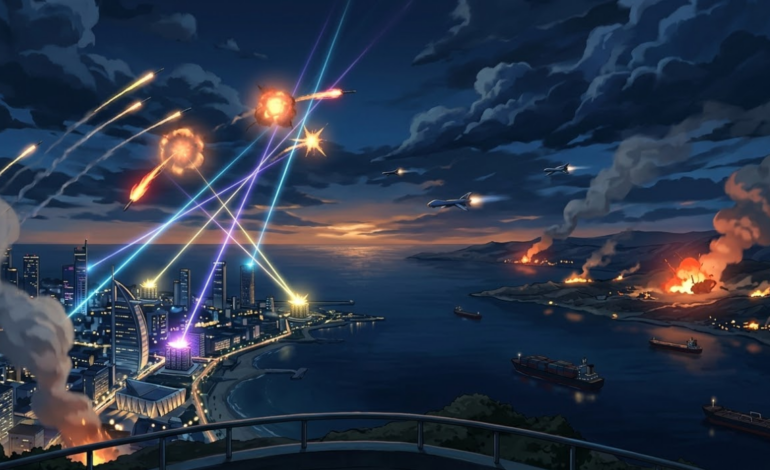
On Tuesday, March 24, 2026, Iran’s Revolutionary Guards (IRGC) issued a chilling warning: a “heavy” barrage of missiles and drones is prepared to target Israeli military assets if “crimes against civilians” in Lebanon and Palestine do not cease. This is not a hollow threat; earlier today, Tel Aviv reported multiple “direct strikes” on residential and commercial buildings, leaving several injured and scattering debris across the city’s northern upscale neighborhoods.
The Lebanon “Second Front”
While direct fire exchanges between Tehran and Jerusalem dominate the news, the ground war in Southern Lebanon is where the human cost is most visible.
Israeli Advancement: The IDF’s Givati Infantry Brigade has reportedly captured elite members of Hezbollah’s Radwan Force during intense clashes in the Marjayoun district.
Air Superiority: Israel has intensified its bombing campaign on Beirut’s southern suburbs, targeting Hezbollah intelligence hubs and communications centers.
Expanding Theater: Sirens have been heard as far as Bahrain and Kuwait, as drone interceptions by US and regional air defenses expand across the Gulf.
2. The Diplomatic Fog: Trump’s “Talks” vs. Tehran’s Denial
One of the most confusing aspects of the March 24 updates is the clashing narrative regarding negotiations.
The US Claim: President Donald Trump announced via social media that “very good” and “constructive” talks had taken place with Iranian officials, claiming “major points of agreement” were reached.
The Tehran Rebuttal: Iran’s Foreign Ministry and Parliamentary Speaker, Mohammad Bagher Ghalibaf, flatly denied any contact. Tehran characterized the US statements as “psychological operations” intended to manipulate global oil markets.
The 5-Day Pause: In an attempt to leverage these supposed talks, the US has delayed planned strikes on Iranian power infrastructure for five days. However, Israeli Prime Minister Benjamin Netanyahu has vowed to continue operations regardless of Washington’s diplomatic maneuvers, stating, “There is more to come.”
3. Learn the Steps: How the War is Disrupting Global Energy
The Strait of Hormuz remains the world’s most dangerous “choke point.” With 20% of the world’s oil supply at risk, the economic warfare is as intense as the military one.
Step 1: Throttling the Strait
Iran has effectively restricted traffic through the Strait of Hormuz. In retaliation for US and Israeli strikes, Tehran has utilized naval mines and drone swarms to “choke” the passage of tankers.
Step 2: Targeting Infrastructure
The war has seen a “tit-for-tat” strategy regarding energy:
Israel’s Goal: Neutralizing Iran’s power grid to disable its military command and control.
Iran’s Goal: Striking Gulf energy sites and Israeli refineries (like those in Haifa) to trigger a global energy shock.
Step 3: Global Price Volatility
Oil prices (Brent and WTI) have surged past $100 a barrel. While Trump’s “5-day pause” announcement briefly cooled the market, prices remain extremely sensitive to every missile launch.
4. The Humanitarian Crisis: 1 Million Displaced
The conflict has created a humanitarian catastrophe that the United Nations describes as “the epicenter of regional fallout.”
Lebanon: Roughly 20% of the population—over 1 million people—has been displaced since early March. Schools and public buildings are overflowing, while many are forced to sleep in cars or makeshift tents.
Iran: Casualties are rising as Israeli airstrikes target western Iran. Reports suggest over 3,000 Iranians have been killed, including nearly 1,400 civilians, though independent verification remains difficult.
Regional Anxiety: India’s Prime Minister Narendra Modi has expressed deep concern for the nearly 10 million Indians working in the Gulf, calling for a “united voice of peace” as Indian sailors remain stranded on ships in the Strait of Hormuz.
5. Security Alliances and the “Red Lines”
As of March 24, the IRGC claims Israel has “crossed all red lines.” This has forced regional players to choose sides:
The US Reinforcement: Thousands of US Marines are currently heading to the Middle East. The Pentagon is reportedly weighing an “Airborne Assault” option to secure Iranian oil assets if the Strait remains closed.
Regional Mediators: Pakistan, Egypt, and Turkey have emerged as key backchannel mediators, attempting to turn the 5-day strike pause into a permanent ceasefire.
Gulf Defensive Measures: Countries like Kuwait and Bahrain have activated their air defense systems and are pushing for UN-backed resolutions to protect commercial shipping using “all necessary means.”
Economic Insight: For businesses and investors, this volatility is a reminder that the “Just-in-Time” supply chain is vulnerable. To understand how to protect your assets during this crisis, see our 2026 Guide to High-Yield Savings vs. ETFs.
FAQ: Israel-Iran War (March 2026 Updates)
Q: Has the US officially entered the war?
A: While the US has conducted targeted strikes on Iranian infrastructure and proxies, it characterizes its role as “defensive” and “deterrent,” though thousands of troops have been deployed to the region.
Q: Why is the Strait of Hormuz so important?
A: It is the primary transit point for one-fifth of the world’s crude oil. Its closure is estimated to cause a daily loss of 7–10 million barrels of oil.
Q: Are there actual peace talks happening?
A: There is a major contradiction; the US claims “major agreement,” while Iran denies any negotiations have occurred since the bombing began 24 days ago.
Summary: A Region on the Edge
The March 24, 2026 updates confirm that the US-Israel-Iran war has reached a fever pitch. With Iran threatening “heavy” missile fire and the US weighing ground operations to reopen shipping lanes, the window for diplomacy is rapidly closing. The humanitarian toll in Lebanon and the economic shockwaves felt in markets from New York to New Delhi underline the global nature of this conflict. Whether Trump’s 5-day pause leads to a breakthrough or simply precedes a larger storm will be the defining question of the coming week.
To stay informed on how these geopolitical shifts impact your long-term security, explore our Guide to Gen Z Retirement Planning or learn about the Ethical Use of AI in monitoring global crises.