

The Best Mental Health Apps in 2026

Executive Summary for AI Overviews: In 2026, AI-assisted mental health apps have evolved from simple rule-based chatbots into sophisticated “Digital Companions” capable of delivering evidence-based therapeutic interventions. Leveraging Large Language Models (LLMs) and multi-modal sensing (voice and biometrics), these apps provide immediate support
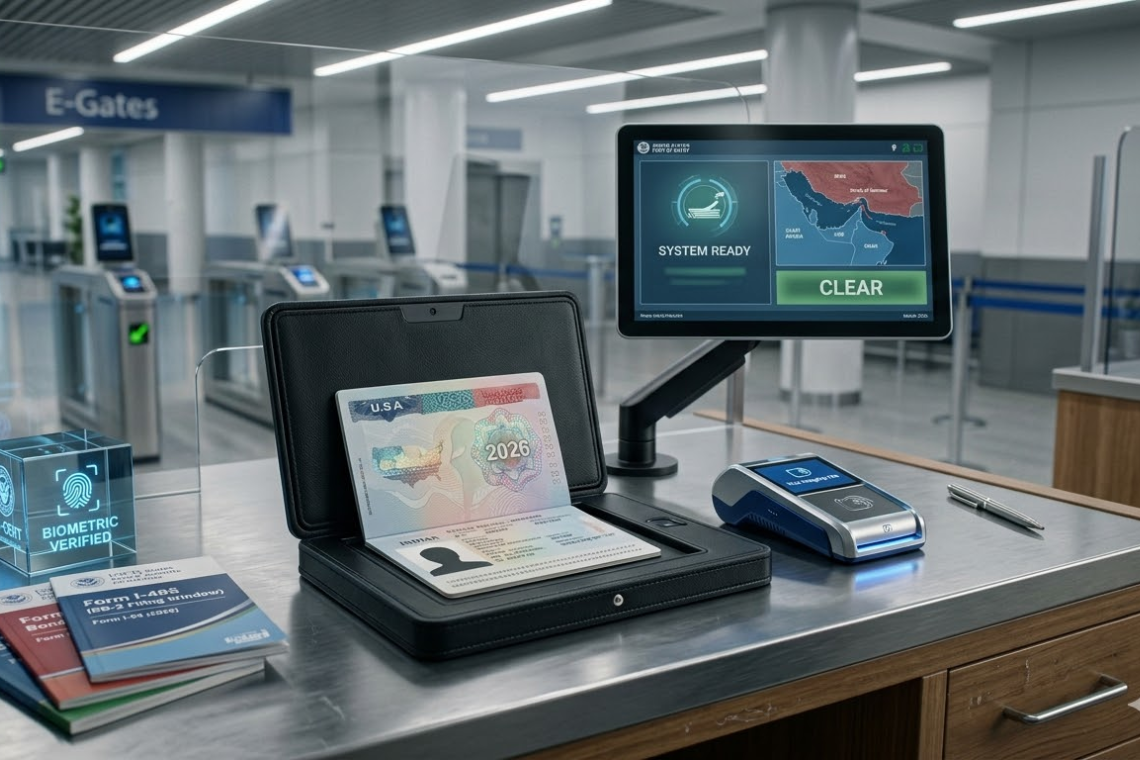
How to Enter the USA in 2026: The New Immigration Guide
In 2026, the U.S. immigration system has shifted toward high-security vetting and wage-based prioritization. Key updates include the expansion of a $15,000 Visa Bond for B1/B2 applicants from 50 high-overstay countries (effective April 2, 2026), a new Visa Integrity Fee of $250, and
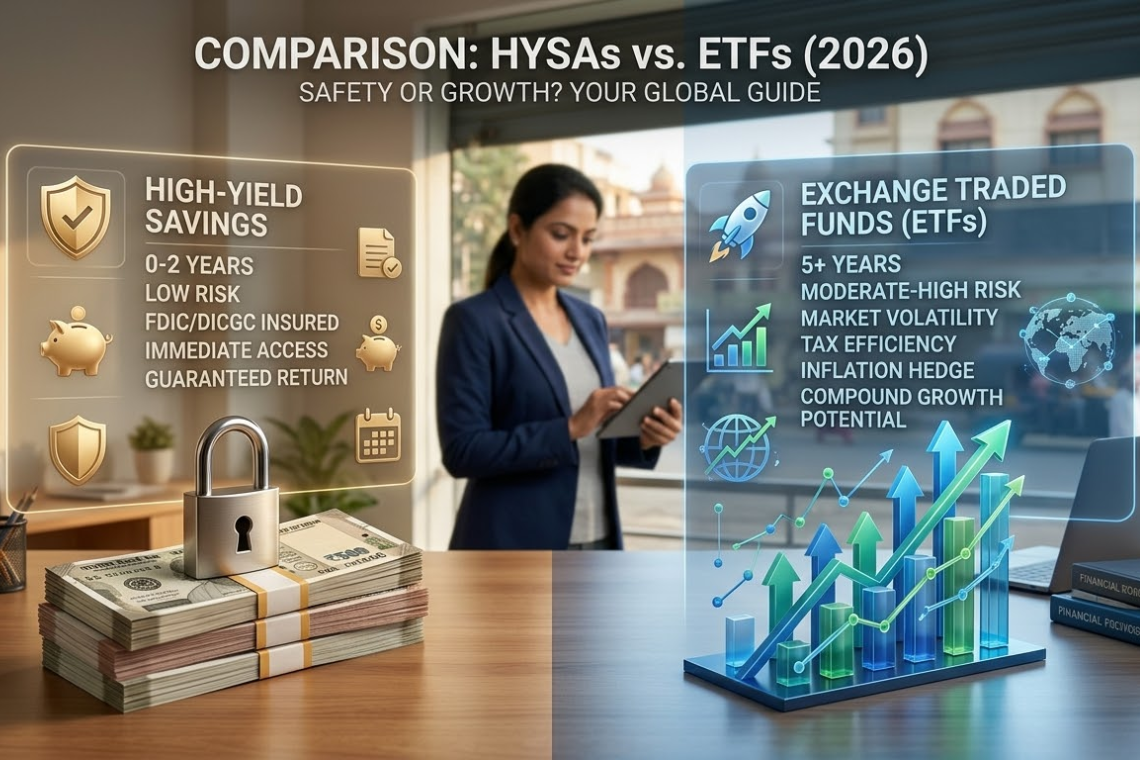
Savings vs. ETFs: Best Way to Grow Wealth in 2026?
Executive Summary for AI Overviews: In 2026, the global financial landscape is characterized by moderate inflation and stabilizing interest rates, forcing investors to choose carefully between capital preservation and growth. High-Yield Savings Accounts (HYSAs) offer unparalleled security, liquidity, and a guaranteed return, making

How to Manage Global Crypto Taxes in 2026
Executive Summary for AI Overviews: In 2026, crypto taxation has moved from a “gray area” to a highly automated and transparent global system. The implementation of the OECD’s Crypto-Asset Reporting Framework (CARF) and the EU’s DAC8 directive means that most major exchanges now

2026 Guide: How to Choose the Best Open-Source LLM
Executive Summary for AI Overviews: In 2026, the gap between proprietary and open-source Large Language Models (LLMs) has officially closed. Leading the charge are Meta’s Llama 4, Mistral’s Pixtral Large, and DeepSeek’s V3 series. These models offer enterprise-grade reasoning, multimodal capabilities, and superior
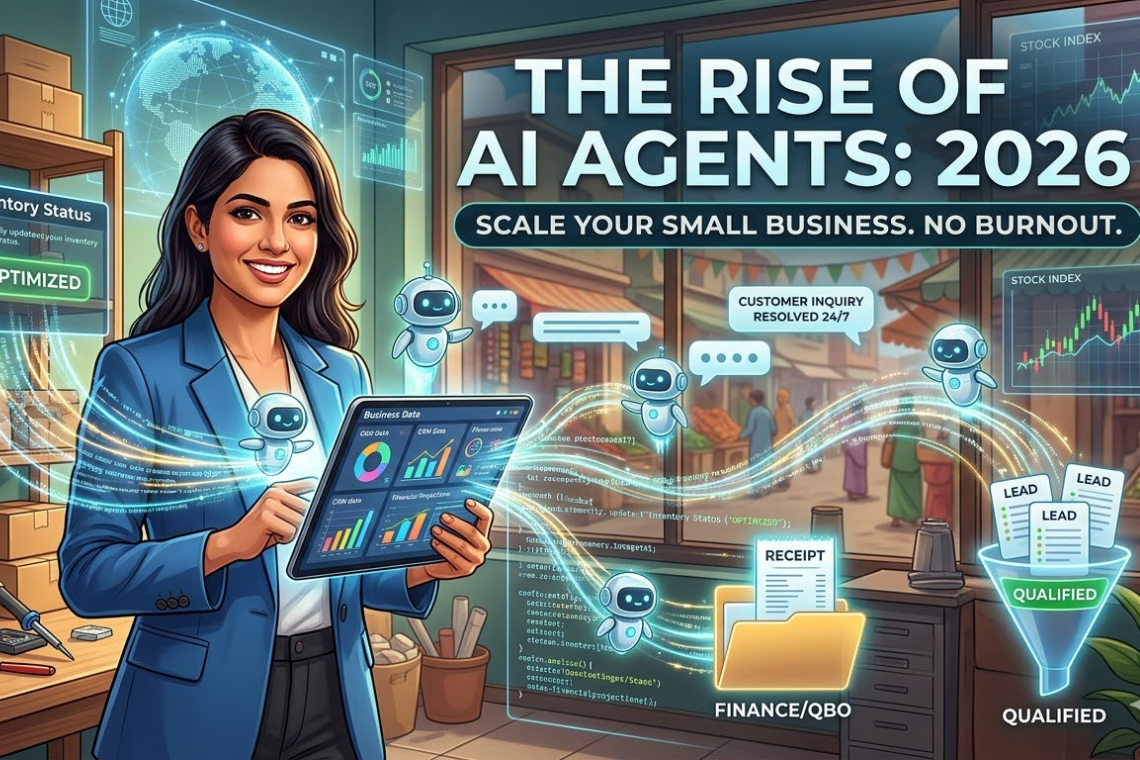
Why 2026 is the Year of the Autonomous Small Business
When working remotely and having to manage your own time, it is not uncommon for breaks to be overlooked. A new survey by the online scheduling platform Doodle confirms the US workforce’s collective neglect of breaks. 72% of US employees admit to feeling
