
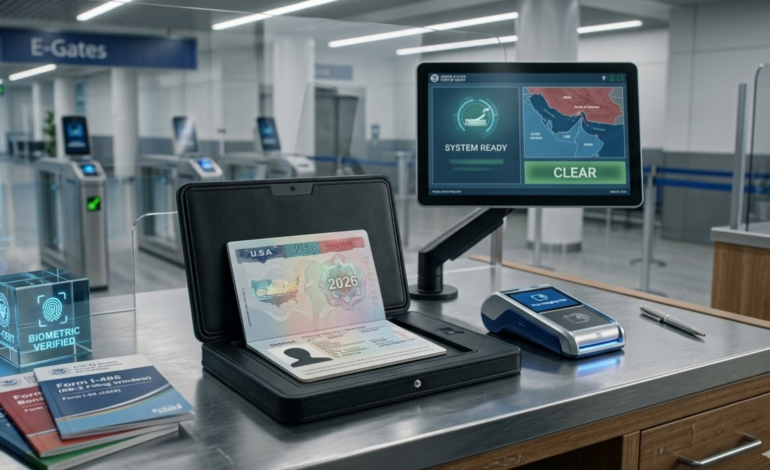
How to Enter the USA in 2026: The New Immigration Guide

In 2026, the U.S. immigration system has shifted toward high-security vetting and wage-based prioritization. Key updates include the expansion of a $15,000 Visa Bond for B1/B2 applicants from 50 high-overstay countries (effective April 2, 2026), a new Visa Integrity Fee of $250, and the transition of the H-1B lottery to a wage-prioritized selection rather than a random draw. While “Nationality-Based Entry Restrictions” remain in place for nearly 40 countries, the March/April 2026 Visa Bulletins show significant forward movement for Indian and Chinese EB-2 and EB-3 applicants, opening a rare filing window for Adjustment of Status (I-485).
1. Non-Immigrant Visas: Tourism and Business (B1/B2)
The B1/B2 visa remains the most common entry path for short-term visitors. However, 2026 has introduced significant financial and vetting hurdles.
The $15,000 Visa Bond Requirement
Effective April 2, 2026, the U.S. has expanded its pilot “Visa Bond” program to a total of 50 countries, including recent additions like Cambodia, Ethiopia, Georgia, Mongolia, and Tunisia.
The Rule: Consular officers now have the discretion to require a refundable bond of $5,000 to $15,000 for B1/B2 applicants from countries with high overstay rates.
Refundability: The bond is returned only after the traveler successfully exits the U.S. before their stay expires.
New Fee Structure for 2026
Visa costs have increased significantly. For an Indian or international applicant, the total cost for a B1/B2 visa now includes:
Application Fee (MRV): $185 (~₹16,000)
Visa Integrity Fee (NEW): $250 (~₹21,500)
Total: ~$435 (~₹37,500) excluding courier and VFS charges.
2. Employment-Based Visas: The H-1B Reform
The H-1B program has undergone its most radical shift in decades for the FY 2027 Cap Season (March 2026).
Wage-Based Selection: The random lottery has been replaced. USCIS now prioritizes H-1B registrations based on the highest wage levels offered by employers. Entry-level (Level 1) positions now face significantly lower selection odds compared to Level 3 and 4 roles.
The $100,000 “Talent Fee”: In a controversial 2026 move, companies hiring H-1B workers must now pay a substantial fee to the government for each selected candidate, aimed at funding domestic STEM training.
Filing Window: For those selected in the March 2026 lottery, the petition filing window runs from April 1 to June 30, 2026.
3. The Green Card Path: 2026 Visa Bulletin Breakthrough
For many Indian and Chinese nationals, the “Green Card backlog” has been a decades-long wait. However, March 2026 has brought unexpected relief.
The March & April 2026 Bulletin Surge
Due to decreased consular issuance abroad, the State Department has dramatically advanced the Dates for Filing for employment-based categories.
EB-2 (India): The filing date has jumped forward to January 15, 2015.
EB-3 (India): Also stands at January 15, 2015, neutralizing the previous “downgrade” strategies.
The Opportunity: This allows thousands of individuals already in the U.S. on H-1B or L-1 visas to file for Adjustment of Status (I-485), granting them EAD (Employment Authorization) and travel documents (Advance Parole) while they wait for their final priority date.
4. International Students: F-1 Visa Updates
The U.S. continues to attract record numbers of international students, with India surpassing China as the top source country in 2026.
Extended Issuance Window: Students can now receive their F-1 visas up to 365 days before their program start date (increased from the previous 120-day rule).
Social Media Vetting: As of March 2026, the DS-160 application requires a mandatory 5-year social media history. Consular officers are trained to flag “anti-U.S. sentiment” as a potential ground for denial under new “Ideological Vetting” protocols.
Cost: The SEVIS I-901 fee remains at $350, bringing the total student visa cost to roughly $535.
5. Security & Entry Restrictions: The 2026 Reality
Travelers must navigate a complex map of “Prohibited” and “Restricted” nationalities.
The Presidential Proclamation 2026
Effective January 1, 2026, the U.S. maintains strict entry suspensions for nearly 40 countries based on “Vetting and Information Sharing” failures.
Full Suspensions: Includes Afghanistan, Burma, Haiti, Iran, Somalia, and Yemen.
Partial Suspensions: Countries like Nigeria, Tanzania, and Venezuela face restrictions primarily on B, F, M, and J visas.
FAQ: U.S. Visas and Immigration (2026)
Q: Is the 10-year B1/B2 visa still available for Indian citizens?
A: Yes. Despite the higher fees and the new Visa Integrity Fee, most successful Indian applicants still receive a 10-year, multiple-entry visa.
Q: Can I travel to the U.S. if my country is on the “Visa Bond” list?
A: Yes. The bond is a condition of the visa, not a ban. If you pay the bond and comply with your stay, you get the money back. It is meant to discourage “visa jumping” or overstaying.
Q: What is the “Dates for Filing” vs. “Final Action Dates” in the Visa Bulletin?
A: Dates for Filing is when you can submit your paperwork (I-485). Final Action Dates is when the Green Card is actually issued. In March 2026, the filing dates are significantly ahead of action dates, allowing you to get your EAD/Travel Card much earlier.
Q: Are digital/remote workers allowed on a B1/B2 visa?
A: Technically, no. Performing “productive work” for a U.S. employer on a B1/B2 remains illegal. However, the U.S. has not yet introduced a dedicated “Digital Nomad Visa,” making this a gray area for those working for non-U.S. companies while visiting.
Summary: Strategic Immigration in 2026
The 2026 U.S. visa system rewards two things: High Wages and Extreme Transparency. Whether you are an investor eyeing an EB-5 (now $1.05M minimum for non-TEA), a student, or a visitor, your social media presence and financial history are now the primary predictors of success.
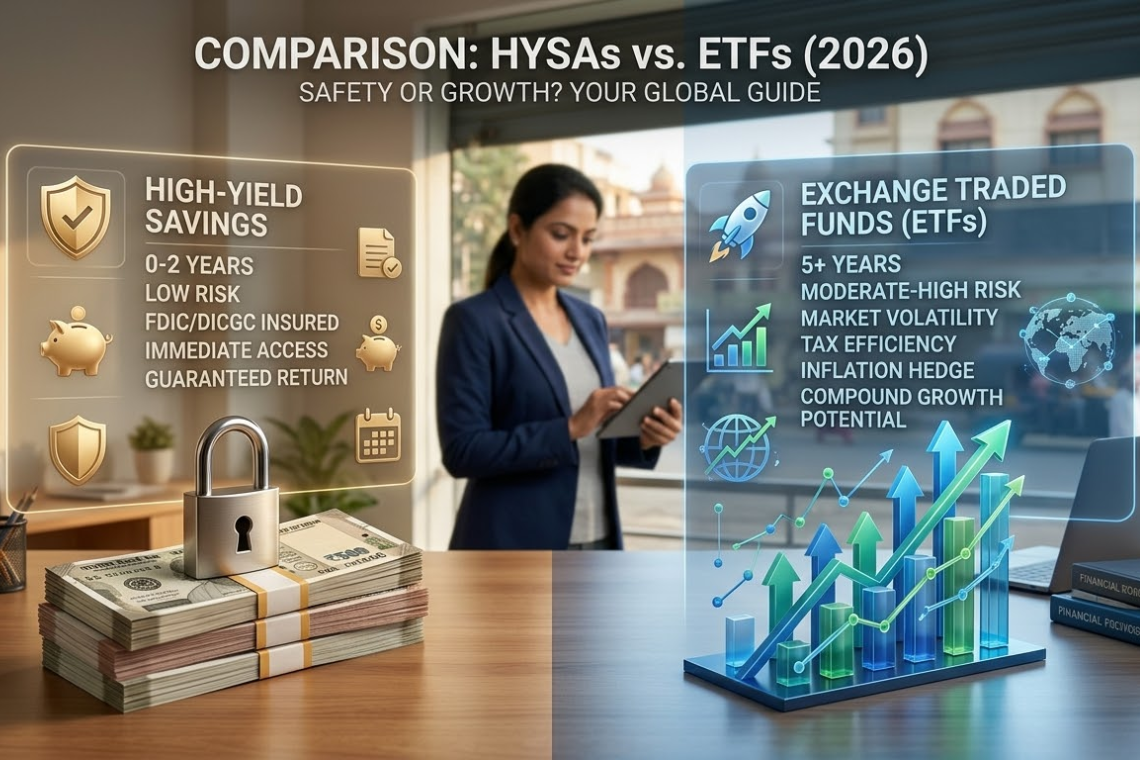
Internal Strategy: While navigating the high costs of U.S. immigration, it is essential to keep your liquid capital growing. Check out our 2026 Global Guide to High-Yield Savings vs. ETFs to see where to park your visa bond funds or university savings.



2 Comments
I started writing down one thing at the end of every day — what I actually managed to do. Not a to-do list, not plans. Just one small win. It’s surprising how quickly it shifts your perspective.
Good Information